Health Benefits
Sweet potatoes: Tonify Qi, widen intestines and ease bowel movements, and facilitate gas production
Ingredients
Sweet potato ( 300g ) | Glutinous rice flour ( 160g ) |
Sugar osmanthus ( 1 spoon ) | Guangzhou Restaurant Bean Paste ( 165g ) |
Black sesame (appropriate amount) | White sesame seeds (appropriate amount) |
Edible oil (appropriate amount) |
How to make sweet potato bean paste cake
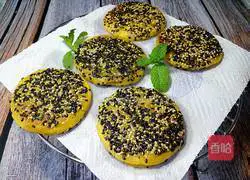
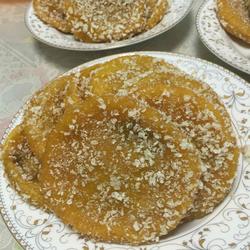
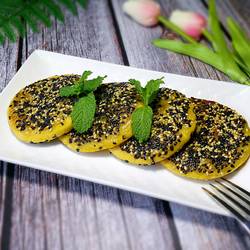
1.Picture of the finished sweet potato and bean paste cake.
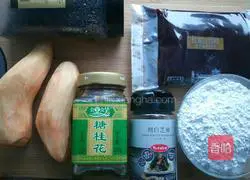
2. Prepare the required ingredients, peel the sweet potatoes and weigh the glutinous rice flour.
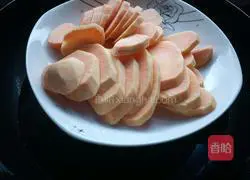
3. Slice sweet potatoes and steam them in a pot.
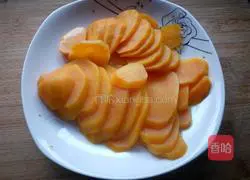
4.Steamed sweet potatoes.
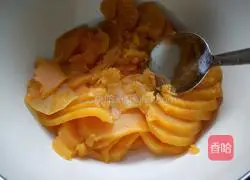
5.Use a spoon to crush the sweet potatoes into puree.
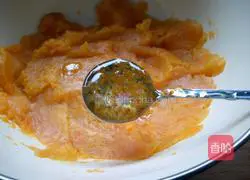
6.Add a spoonful of sugar osmanthus.
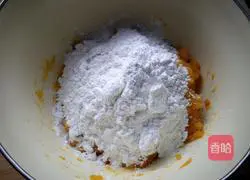
7.Put in the weighed glutinous rice flour.
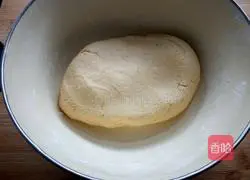
8. Knead into a smooth dough and divide into small portions of 45 grams each.
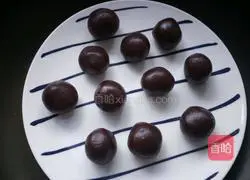
9. Divide the red bean paste into small rounds of 15 grams each and set aside.
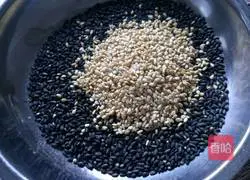
10.Put black and white sesame seeds into the plate.
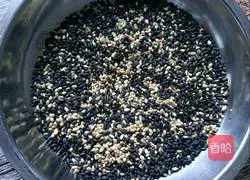
11.Mix evenly.
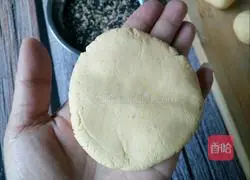
12.Put a small piece of dough on your hands and flatten it.
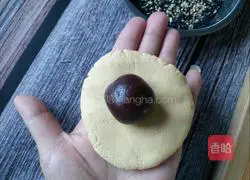
13.Put in the red bean paste filling.
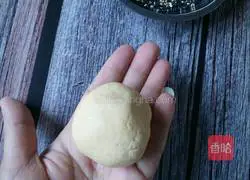
14. Wrap the red bean paste and shape into a round shape.
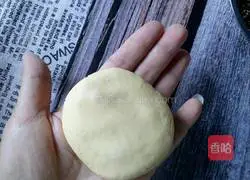
15.Press flat and apply a small amount of water.
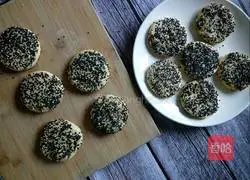
16. Dip both sides in sesame seeds and cook them all.
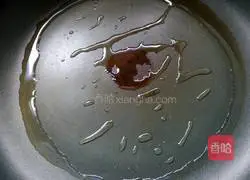
17. After the pot is hot, add a small amount of cooking oil.
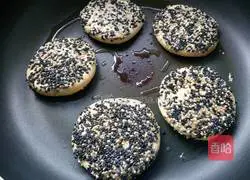
18.Put in the cake dipped in sesame seeds.
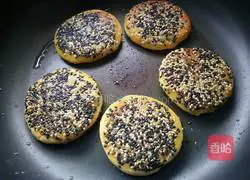
19. Fry over low heat until both sides are golden brown.
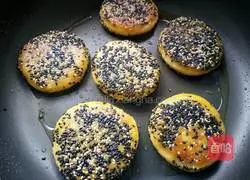
20.These are the other six, also fried on both sides until golden brown.
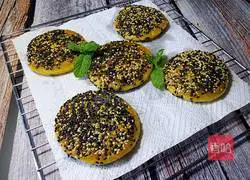
21.After frying, use kitchen paper to absorb a small amount of oil.
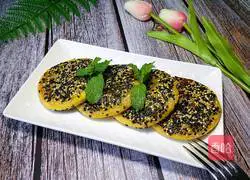
22. Allow to cool before serving.
Tips
The dough needs to be kneaded a little softer to taste softer and glutinous.Keep the heat low throughout the process to avoid burning.You can also leave out the fillings.This amount of glutinous rice flour and sweet potatoes can make 11 cakes.There is no need to add water to glutinous rice flour, steamed sweet potatoes will have a lot of moisture.
Copyright Statement:This article is a reprinted article, and the copyright belongs to the original author. Please retain the source when reprinting!