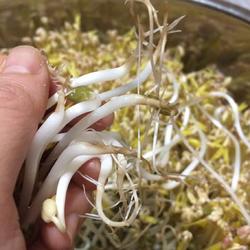
Health benefits
Mung beans: nourish blood, protect teeth, protect bones
Mung beans (appropriate amount) |
How to make mung bean sprouts
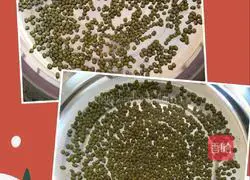
1.Choose the amount of mung beans so that they do not cover the bottom of the container you are using.Rinse clean and soak in water.The amount of water must cover the beans.More water will help the beans absorb enough water.
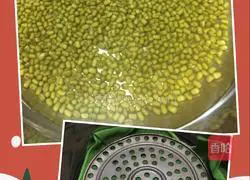
2. The beans that have been soaked for 20 hours have become very fat after absorbing water.Pour out the water, rinse it with clean water, cover it with a wet towel, and place a steamer on top to facilitate placing heavy objects.The soaked bean sprouts will be thicker.
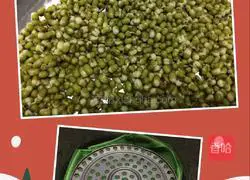
3.Rinse twice a day.When rinsing at night, small sprouts have sprouted from the beans (you can pour water directly on the steamer when rinsing.When the water is submerged in the steamer, gently press the steamer with your hand, shake the basin, and all the beans inside will take a cold bath., then hold down the steamer, pour out the water inside, and control it.This will prevent the beans from running out and make the rinsing process easy).
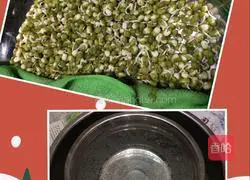
4. On the third day, the sprouts that sprouted out have grown a lot again.Rinse them and try again.If the steamer is loaded with weight, the pressure will make the bean sprouts thicker.The weight should be gradually increased as it grows.
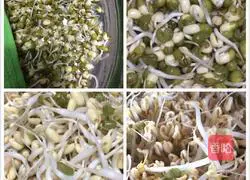
5. Next, rinse twice a day.The method is the same.The bean sprouts continue to grow and bear important consequences.gradually increase.
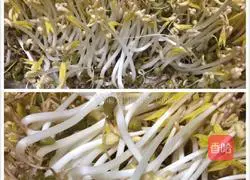
6. In about a week it will look like this, with the roots coming out, Ready to eat.
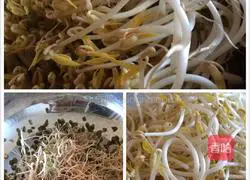
7.Choose the roots before eating.The white and plump bean sprouts are best fried and eaten.Note that it is best not to rinse the bean sprouts before eating, otherwise the bean sprouts will easily become brittle after absorbing water, and a lot of water will come out when fried.
Tips
The temperature of soaking bean sprouts should be slightly higher in the early stage, and then placed in a place with a slightly lower temperature.However, be careful that the entire process must be backlit, and do not allow any substances other than water to come into contact with it, such as salt, oil, etc.
Copyright Statement:This article is a reprinted article, and the copyright belongs to the original author. Please retain the source when reprinting!