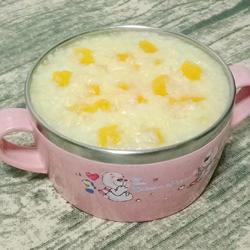
Health benefits
Millet: clears away heat
Pork liver: strengthens the spleen and replenishes qi
Celery: activates blood circulation and removes blood stasis
Ingredients
Rice ( 20 grams ) | Xiaomi ( 20g ) |
Pork liver ( 30g ) | Celery ( 20g ) |
Celery leaves ( 5 grams ) | Ginger (appropriate amount) |
How to make celery and pork liver porridge (baby food supplement)
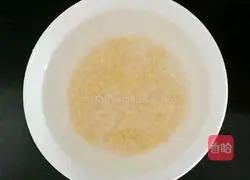
1.Clean the rice and soak it for one hour

2.Pour into the pot, add appropriate amount of water, and cook until soft
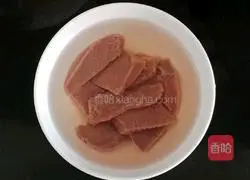
3. Cut the pig liver into small pieces and soak it in water for half an hour to soak up the bleeding water.You can change the water several times in the process
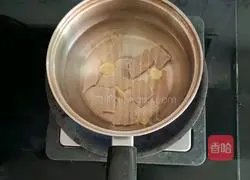
4. Put cold water into the pot of pork liver, add ginger slices to remove the smell, and then boil the water again Cook for five minutes
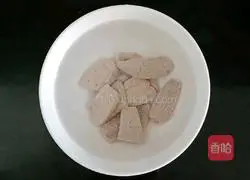
5. Take it out and wash it again with warm water p>
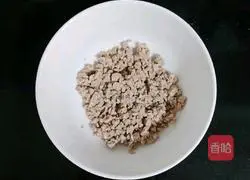
6.Chop into pieces
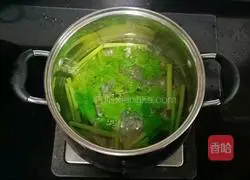
7. Boil water.After the water boils, add celery stems and blanch them for two minutes, then add celery leaves and blanch them for one minute p>

8.Cut the celery stalks into small dices and chop the leaves into small pieces
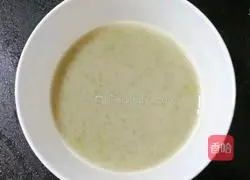
9. Pour the chopped celery and pork liver into the pot and stir-fry for two minutes, then add Boil appropriate amount of water for five minutes, scoop out and set aside for later use
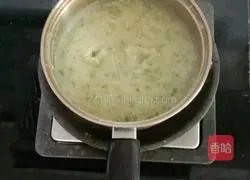
10. Boil the double rice porridge until soft, then add the celery and pork liver soup, cook over medium heat for three minutes, then add the celery leaves and cook for three minutes
-
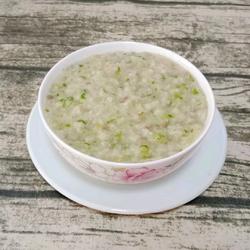
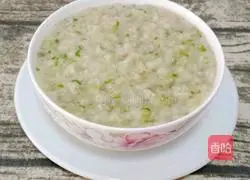 11.A bowl of fragrant porridge is ready
Tips
Putting rice and millet together to make porridge can complement cereal proteins and make the nutrition more comprehensive.After cutting the pork liver into thin slices, soak it in clean water for half an hour.Change the water several times during the process.After soaking in the blood, the fishy smell will be much smaller.Celery can be replaced with tomatoes, spinach, etc., which can also neutralize the fishy smell of pork liver.You can also add some vegetables that babies usually don’t like to eat to improve their picky eating.The nutritional content of celery leaves is much higher than that of celery stems.The carotene, vitamins, protein and other nutrients are several times that of the stems, so do not throw away the celery leaves when making celery.
Copyright Statement:This article is a reprinted article, and the copyright belongs to the original author. Please retain the source when reprinting!