Ingredients
Taro (medium size) ( one ) | Purple sweet potato (round) ( one ) |
Sweet potatoes (long, must be red) ( Two ) | Tapioca flour ( One pound ) |
White sugar ( Appropriate amount ) |
Handmade taro balls and potato balls Method
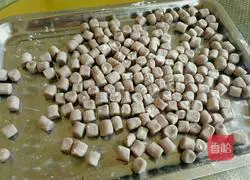
1.First put the three materials Steaming, the prerequisite is to ensure that there is moisture, just don't bake it, because it will be mixed with tapioca flour later, and it will be too dry if baked.I thought of this afterward, and I didn't take pictures of this process at the time.
2.After steaming all the three ingredients, put them in different utensils Set aside, then add 100 grams of white sugar respectively, then press into a puree and mix well and set aside, then add 150g grams of tapioca flour, mix well, and then knead into a ball and set aside.
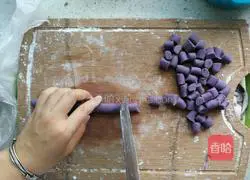
3.After everything is made into a ball, it is time to start making shapes.Show one Make a small ball, roll it into a long strip, and then cut it into sections, almost like the following.
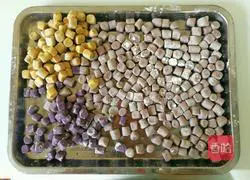
4. Then pinch this into a square or round the incisions on both sides and wrap everything Layer with flour to prevent sticking.These are three flavors, I took a photo together.
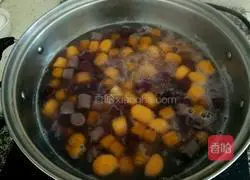
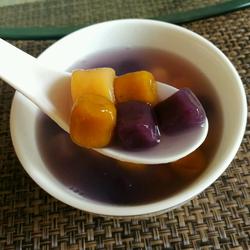
5. Add water to the pot.After it boils, put it down and cook, stirring occasionally.To prevent sinking and sticking to the pan, increase the sugar content according to personal taste, and then turn off the heat when the taro balls float to the surface and the color slowly becomes translucent.
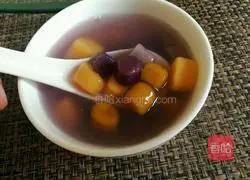
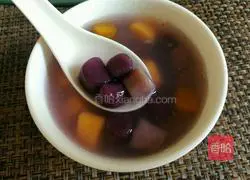
6.The last delicious and springy taro balls are ready, and there are still some leftovers The taro balls can be frozen in the refrigerator.Once they are no longer sticky and become hard, they can be put in bags and frozen in the refrigerator.They can be taken out and cooked at any time when you want to eat them.You can mix them with milk or coconut milk.Either way, it’s very convenient.
Tips
Because purple potatoes are easy to dye, if you want a translucent color, it is recommended to cook them separately, but this is more troublesome.
Copyright Statement:This article is a reprinted article, and the copyright belongs to the original author. Please retain the source when reprinting!