
Health benefits
Pumpkin: low protein
White sugar: low protein
Ingredients
Four ( 500 grams ) | Pumpkin ( One piece ) |
Yeast ( 5 grams ) | Adzuki beans ( 400 grams ) |
gordon ( 100g ) | White sugar ( appropriate amount ) |
How to make Jianpilu wet steamed buns

1. Soak adzuki beans and gorgon seeds for 15 hours in advance.
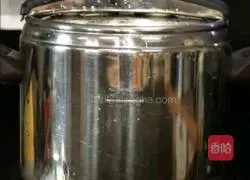
2.Put the adzuki beans and gorgon seeds into the pressure cooker and cook thoroughly.
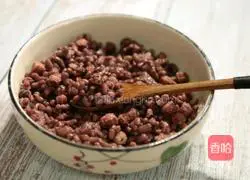
3. Add appropriate amount according to your own taste to the boiled adzuki beans and gorgon seeds white sugar.
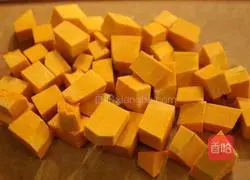
4. Peel the pumpkin and cut into small pieces.

5.Put it into the wall breaking machine, add an appropriate amount of water, and activate the grain function.Beat to 100 degrees.

6.After the program is completed, there will be cooked and delicate pumpkin puree.

7. When the pumpkin puree cools to 30 degrees, add yeast and add 3 Gram sugar to help fermentation, mix thoroughly, then add flour and knead into a smooth dough.
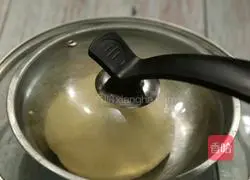
8.Cover and ferment until doubled in size.
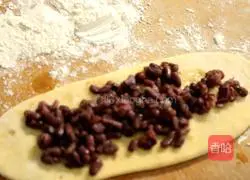
9. Divide the fermented dough into small portions, roll them out and spread them out Adzuki beans and gorgon seeds.

10.Wrap adzuki beans and gorgon seeds first, and then roll them out with a rolling pin.
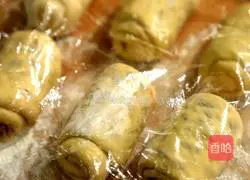
11. Then roll it into a roll and cover it with plastic wrap for secondary fermentation.
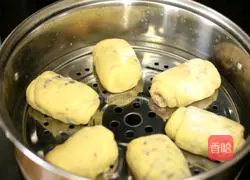
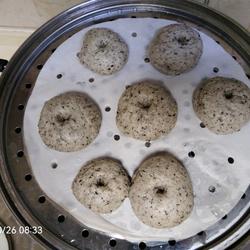
12. After secondary fermentation to a fluffy state, put it into a steamer and steam Apply an appropriate amount of oil on the grid to prevent sticking, add cold water, steam over high heat for about 15 minutes after the water boils, then simmer for 3 minutes before opening the pot.

13.The soft and spleen-flavored steamed bun rolls are ready to eat.
Tips
1.The pumpkin puree should be cooled down.If the temperature is too high, the yeast will be scalded and inactivated; 2.When steaming, you can add cold water or boiling water: if the fermentation is complete, add boiling water.If the fermentation is not very bulging, add cold water so that it can expand a little more while steaming.
Copyright Statement:This article is a reprinted article, and the copyright belongs to the original author. Please retain the source when reprinting!