Health benefits
White radish: reduce phlegm
Sichuan peppercorns: dehumidify
Pepper: enrich blood, protect teeth, protect bones
Ingredients
Sheep and Scorpion ( 750g ) | White radish ( 800g ) |
Dried chili pepper ( 12 pcs ) | Panthoxylum bungeanum ( Adequate amount ) |
Ginger ( piece ) | Salt ( appropriate amount ) |
Recipe of stewed radish with sheep and scorpions
-
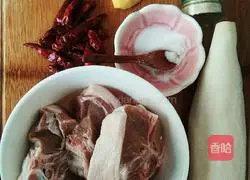
1.Prepare and peel a white radish, thaw and clean the sheep and scorpions, wash the dried chilies, peel the ginger, pepper and salt.
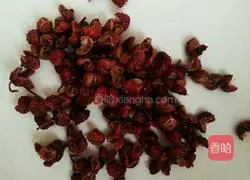
2.Clean the peppercorns
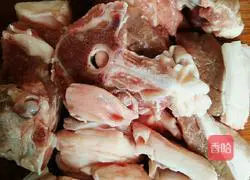
3.The sheep and scorpions are too big, so you can cut them into smaller pieces.

4.Put water in the pot, cut three slices of ginger and put them in, put the sheep and scorpions in cold water, Blanch for 5 minutes! Skim off the foam while the water is boiling.Then take it out and put it into the inner pot of the pressure cooker.

5.Cut the radish into diamond-shaped pieces
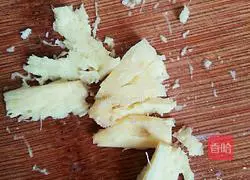
6.Crush the remaining ginger
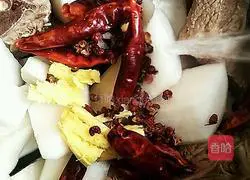
7.Put it together with the sheep and scorpions, and then add dried chili peppers and Sichuan peppercorns

8.Add water to cover the ingredients!

9. Cover the pressure cooker, press the "Beef and Mutton" button and stew until it automatically jumps to " Keep warm" button.

10.Add salt to taste when opening the lid

11.Add appropriate amount of pepper, cover and simmer for another 20 minutes before eating.
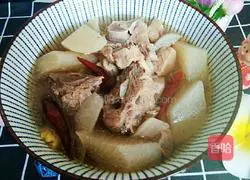
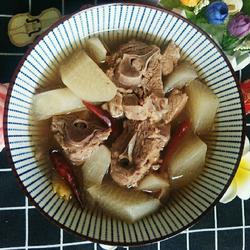
12.Picture of the finished product

13. Recent photos.
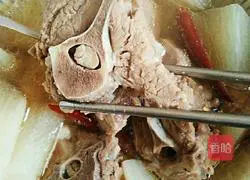
14.The soup is delicious and not smelly at all, and the sheep and scorpion meat are soft and rotten.Very tasty!
Tips
① The sheep and scorpions can be soaked in cold water in advance to defrost, or you can add some salt and add water to speed up the defrosting.
②Put cold water into the pot when blanching
③We Hunan people don’t like to eat Sichuan peppercorns, so you don’t have to put them in if you don’t want to eat them, but I feel that the taste will be better if I put them in, and it will also help to remove the smell.You can remove the particles when needed.
Copyright Statement:This article is a reprinted article, and the copyright belongs to the original author. Please retain the source when reprinting!