Health benefits
Chives: dissipate blood stasis
Shopee: protect eyes, improve eyesight, fight and prevent cancer
Scallops: nourish yin
Ingredients
Chives ( 250g ) | Shopee ( 20g ) |
| Scallops ( 10 ) | Fans ( 2 Put ) |
Eggs ( 4 ) | Plain flour or dumpling flour ( 500g ) |
Clean water ( appropriate amount ) | Salad oil ( appropriate amount ) |
Salt ( appropriate amount ) | White pepper ( appropriate amount ) |
Sesame oil ( appropriate amount ) |
How to make leek, egg and shrimp skin dumplings
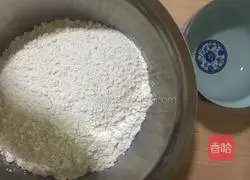
1.Pour the ordinary flour into a basin, add appropriate amount of water and mix well.
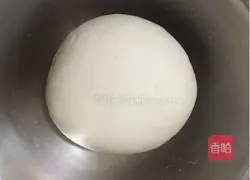
2. Knead the dough until the surface is smooth, cover it with a lid and wet cloth and let it rest for about an hour.
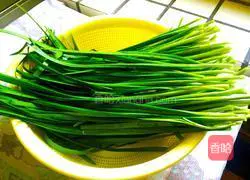
3. Prepare the filling while the noodles are rising.Now pick and wash the leeks.Then control dry moisture.
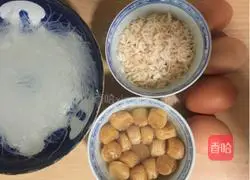
4. Dried scallops need to be soaked in water one day in advance until soft.If there are no scallops, you can leave them in.If so, it can enhance the flavor of the filling.Wash the shrimp skin and drain the water, soak the vermicelli in cold water until soft, beat the eggs and set aside.
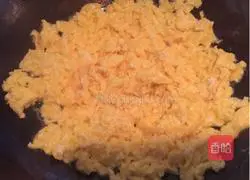
5. After the wok is heated, pour in an appropriate amount of salad oil.When the oil temperature is 70% hot, Pour in the beaten egg liquid, immediately turn to the lowest heat, and use chopsticks to quickly stir up the egg liquid that has not yet solidified.The eggs scrambled in this way are very tender and easier to break, making them suitable for mixing with fillings.
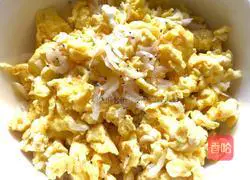
6. When the eggs are basically fried, put the washed shrimp skin into the pot and Stir-fry the eggs together.The fried shrimp skin can remove the fishy smell and dry the remaining moisture from washing the shrimp skin.
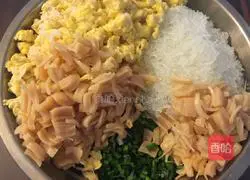
7. Process various ingredients into the required shape for the filling, chop the leeks, and soak them Twist the soft scallops into filaments by hand, chop the vermicelli into small pieces, then add scrambled eggs and dried shrimps.
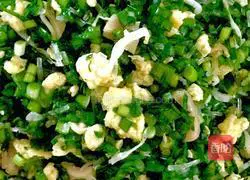
8.First put an appropriate amount of salad oil and sesame oil into the filling, and mix all the ingredients Mix well, then add salt and pepper to taste.
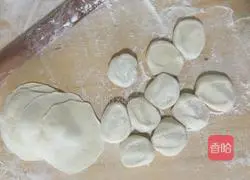
9. Process the woke noodles into dumpling wrappers.

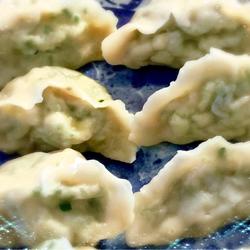
10.The dumplings are wrapped.
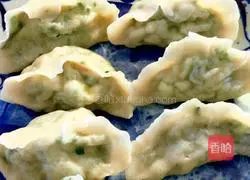
11. After the water in the pot boils, add the wrapped dumplings and use a spoon to move them along the pot Stir the water a while to prevent it from sticking to the bottom or sticking to each other when you put it in.Cover the lid and when the water in the pot boils again, open the lid and add a little water.When the water boils a second time, the dumplings will be cooked.
Tips
1.The dough for the dumplings should be slightly softer, especially the ones with plain fillings.The fillings are loose and hard to wrap.
2.Because there is no meat in this stuffing, if you add salt directly first, the leeks will be salted out of water quickly, so when mixing the stuffing, you need to add oil first, mix the stuffing evenly, and the surface Coat them all with a layer of oil and season with salt and pepper to slow down the water release of the leeks.Adding vermicelli to the stuffing is also to allow the vermicelli to absorb some water.If you don't like to use vermicelli, you can use fried dough sticks instead.It tastes very good, and you can also use grilled forks.
3.Because the filling itself contains eggs and scallops, there is no need to add seasonings such as chicken essence.In order to have a good-looking color, it is best not to add soy sauce, etc.to the dumpling filling.Keep the original color of the ingredients and it will look good.
4.Leeks have a strong flavor, and there is no meat in the filling, so there is no need to add chopped green onion and ginger to remove the smell.
5.The filling of this dumpling is very cooked, so you only need to cook the dumpling wrapper when cooking.If the leeks are overcooked, they will not taste good and the color will not look good.
6.Dumplings stuffed with chives will be especially delicious if eaten with mustard and vinegar! Friends who like to eat mustard can give it a try.
Copyright Statement:This article is a reprinted article, and the copyright belongs to the original author. Please retain the source when reprinting!