Health effects
Pork ribs: tonify the kidneys
Cooking wine: activate blood circulation and remove blood stasis
Ginger: reduce qi and stop vomiting, resolve phlegm and relieve cough, dispel cold and resolve Table
Ingredients
Pork Ribs ( 500g ) | Cooking wine (appropriate amount) |
Garlic ( 3 to 4 cloves ) | Ginger ( 1 piece ) |
Rock sugar ( 40g ) | balsamic vinegar ( appropriate amount ) |
Light soy sauce (appropriate amount) | Salt ( appropriate amount ) |
Salad oil ( appropriate amount ) | Water ( appropriate amount ) |
How to make sweet and sour pork ribs
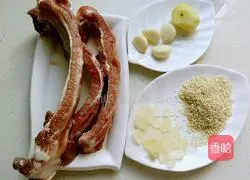
1. Prepare the ingredients.It is best to buy fresh ribs.of.
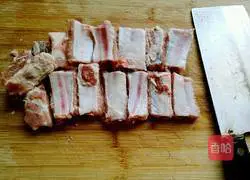
2. Wash the ribs and cut them into pieces with a knife.

3. Slice ginger and garlic and set aside.

4. Fry the sesame seeds in a pot over low heat and set aside.

5.Put water in the pot and bring to a boil.

6.Put in the ribs, add appropriate amount of cooking wine and cook to remove the blood.
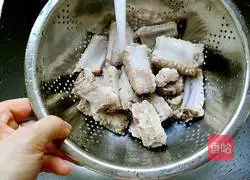
7.After taking it out, rinse it with water and control the water for later use.

8.Put an appropriate amount of oil in the pot, add rock sugar and start frying the sugar color.

9. Fry slowly over low heat until the sugar completely melts and turns into dark brown.look.
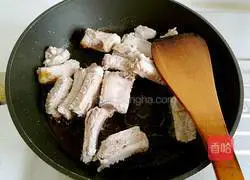
10.Pour in the pork ribs and sugar and stir-fry.

11. Fry until each rib is coated with rock sugar.

12. Then pour in light soy sauce.

13. Pour in the balsamic vinegar.
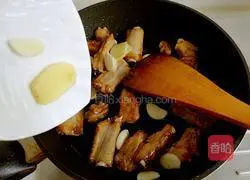
14.Pour in the ginger and garlic slices.

15.Pour in water again and let the water cover the ribs.

16. Then transfer the ribs to the casserole and bring to a boil over high heat, then turn to low heat and cover with a lid.Slow cooker.

17. When one third of the soup is left, add an appropriate amount of salt.
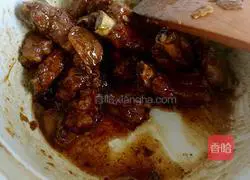
18. Then reduce the juice over medium heat.

19. Serve on a plate and sprinkle with fried sesame seeds.
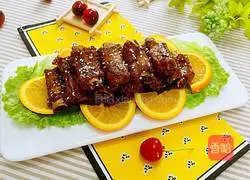
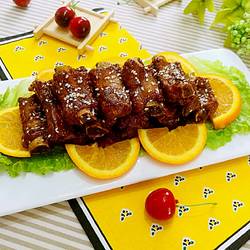
20.With a little embellishment, a delicious sweet and sour pork ribs is ready.
Tips
Add more sugar and vinegar to this dish, and the ribs cooked in the casserole will taste more delicious.
Copyright Statement:This article is a reprinted article, and the copyright belongs to the original author. Please retain the source when reprinting!