
Health benefits
Pork belly: Nourishes yin
Taro: Promotes blood circulation and removes blood stasis
Ingredients
Pork belly (a pound) | Taro ( Appropriate amount ) |
Steamed pork powder ( One bag ) | Salt ( appropriate amount ) |
Cornstarch ( Two small spoons ) | Light soy sauce ( Two small spoons ) |
| Dark soy sauce ( a small spoon ) |
How to make taro steamed pork

1.Peel and wash the taro, cut it in half, mix with salt, light soy sauce, dark soy sauce, and salad oil (you can add less salt, there is salt in the steamed pork powder)

2. Soak the pork belly in water for ten minutes and cut into thick slices, about 0.7cm thick
 3. Mix pork belly with cornstarch, light soy sauce and dark soy sauce
-

4.I usually use steamed pork powder with bean curd juice to steam it.The bean curd juice tastes good
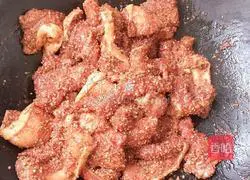
5.Pour the mixed pork belly into the pot, and then pour the steamed pork powder with fermented bean curd juice into the pot and mix well (my family's taste is light, so I left a little of the steamed pork powder after using it)

6. Spread the mixed pork belly neatly on the taro, add five spoons of water, and mix the rice noodles Soaked and easily steamed rice noodles

7. Marinate for an hour and put it into a cold water steamer, because Adding cornstarch to the meat will prevent the meat from becoming hard after steaming for a long time.It is best to add water to the steamer at once.If you need to add water halfway, you must add boiling water

8. After steaming over high heat for one and a half hours, steam over low heat for fifteen minutes and then turn off the heat.Don’t rush to open the lid and continue simmering for a while.Don’t worry about the rice noodles and rice noodles at this time.The meat is absolutely cooked
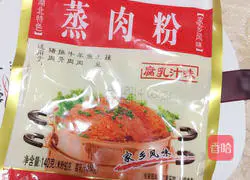
9.Additional one-step steamed pork powder
Tips
Because rice noodles and fermented bean curd juice both contain salt, Both light soy sauce and dark soy sauce are salty, so you don’t need to add salt when pickling taro
Copyright Statement:This article is a reprinted article, and the copyright belongs to the original author. Please retain the source when reprinting!