Health benefits
Cabbage: clear away heat
Dried mushrooms: strengthen the spleen
Pork belly: nourish yin
Ingredients
Cabbage ( half ) | Dried shiitake mushrooms ( four ) |
Pork belly ( 50g ) | Four ( appropriate amount ) |
Sesame oil ( appropriate amount ) | Salt ( appropriate amount ) |
Onions ( Moderate amount ) | Pepper ( appropriate amount ) |
five-spice powder ( appropriate amount ) |
How to make cabbage and meat buns
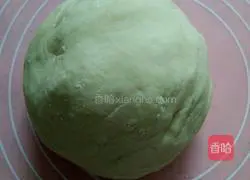
1. Dissolve the yeast in warm water, let it sit for a while, and pour it into the flour., stir into cotton wool, then knead into a smooth dough, and let it rest for fermentation.
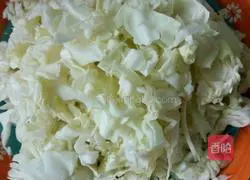
2. Prepare the bun filling, wash and chop the cabbage, heat the oil in the pot, add Saute the minced ginger and garlic until fragrant.Stir-fry the cabbage quickly over high heat until the cabbage becomes soft and set aside.
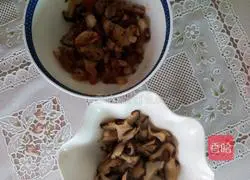
3. Soak the mushrooms and chop them into small pieces.Cut the pork belly into small dices and cook over low heat.Stir-fry the diced pork belly until cooked.When the pork belly is thick and fragrant, take it out and set aside.

4.Pour the cabbage, mushrooms and pork belly together, add appropriate amount of light soy sauce and salt , five-spice powder, sesame oil, chopped green onion, stir well, then the bun filling is ready.
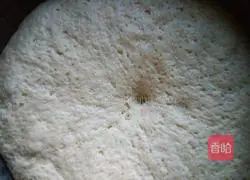
5.The dough ferments until it doubles in size
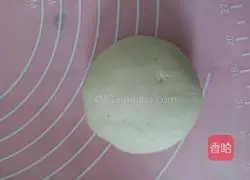
6. Knead the dough again and let it deflate.
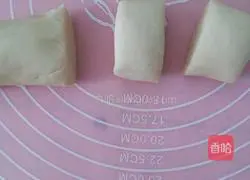
7. Knead the noodles into long strips and cut them into equal-sized pieces.
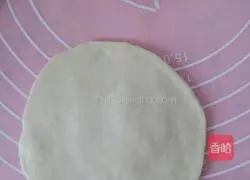
8. Roll out the dough into a dough that is thick in the middle and thin on the edges.
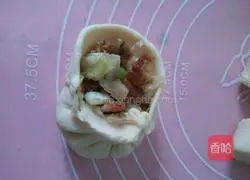
9. Add cabbage, mushrooms and meat filling, and you can start wrapping.
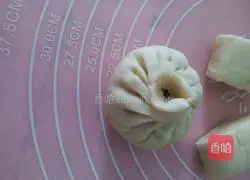
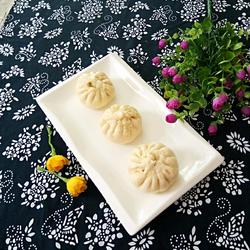
10. After wrapping the buns, let them sit for fifteen minutes to ferment again., you can put it in a steamer and boil it with cold water.After the steam is turned on over high heat, steam over low heat for fifteen minutes.

11.Picture of the finished product.
Tips
After the buns are wrapped, let them rest for fifteen minutes before steaming them.This will make them soft and delicious!
Copyright Statement:This article is a reprinted article, and the copyright belongs to the original author. Please retain the source when reprinting!