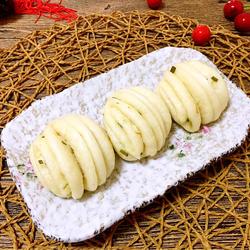
Ingredients
Flour ( appropriate amount ) | Baking powder (appropriate amount) |
Edible oil ( Appropriate amount ) | Salt ( Appropriate amount ) |
Chives ( appropriate amount ) |
How to make scallion rolls
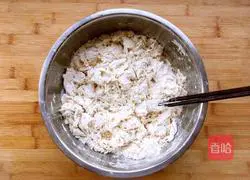
1. Dissolve the baking powder with a small amount of warm water, mix it with the flour, then add an appropriate amount of warm water and stir with chopsticks until there is no dough.Dry noodles
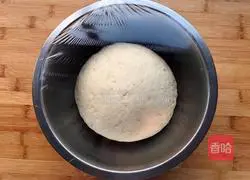
2. Then mix the noodles with your hands, cover with plastic wrap and place in a warm place to wait.Fermentation
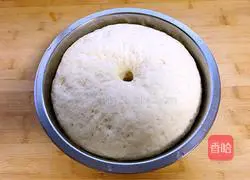
3. If your facial hair is twice as big as it is, if you press it with your fingers and it doesn’t shrink back, it means it is healthy.了
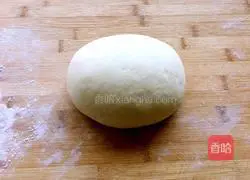
4.Knead the dough to exhaust and knead into a smooth dough
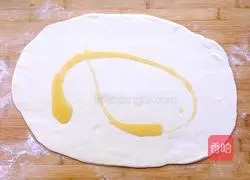
5. Roll out into a large dough piece of moderate thickness and add a little cooking oil
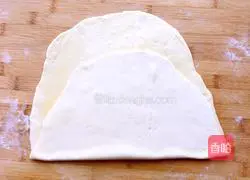
6.Fold the dough piece up, down, left and right to apply oil evenly
-
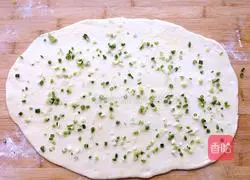
7.Then sprinkle salt and chopped green onion (chopped green onion in advance)
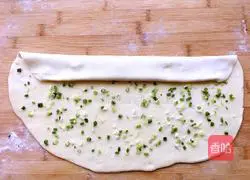
8.Roll from one side to the other
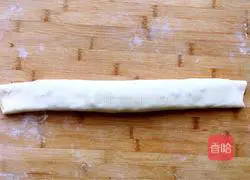
9. After rolling it up, press it gently with your hands Take a look
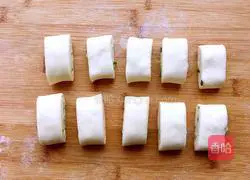
10.Cut into long squares of appropriate size
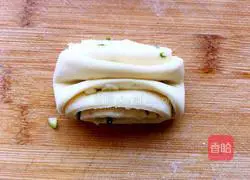
11.Take a piece and press it in the middle with chopsticks to make sure it is not too deep
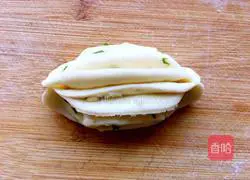
12.Pinch both ends
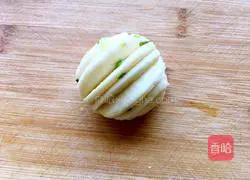
13. Hold the two ends back and pinch them together, and a flower roll is ready
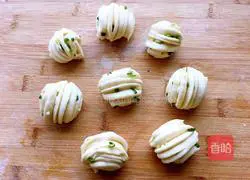
14.Same Make other methods
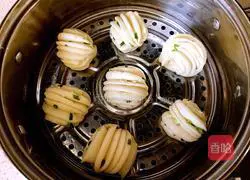
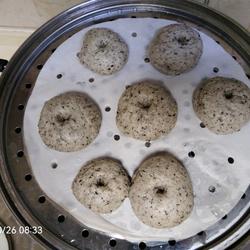
15. Place it on the steamer for secondary fermentation for about 20 minutes.It’s ready to be steamed.After boiling, steam for fifteen minutes, turn off the heat and steam for another five minutes.
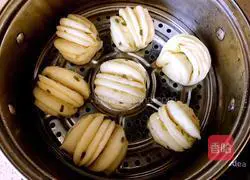
16.The scallion rolls are out of the pan, try it.It’s delicious!
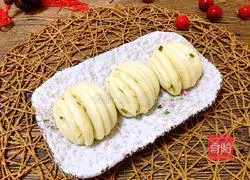
17.Finished Picture
Tips
It is cold in this season, so the dough may take longer to rise; secondary fermentation is necessary Wait until it has risen before steaming it in the pot; to judge whether the secondary fermentation is done, you can see that the Hanaki embryo is obviously larger and lighter; when it is steamed, put some oil on the drawer to prevent it from sticking to the pan.
Copyright Statement:This article is a reprinted article, and the copyright belongs to the original author. Please retain the source when reprinting!