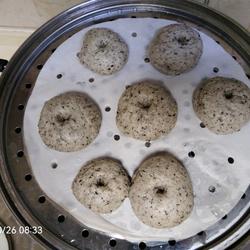
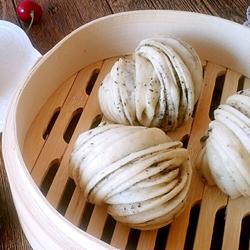
Ingredients
Flour ( 250g ) | Yeast ( 1.5g ) |
Sugar ( 3.5g ) | Water ( 150ml ) |
Cooked sesame powder ( appropriate amount ) | Cooking oil ( a little ) |
How to make Hanamaki
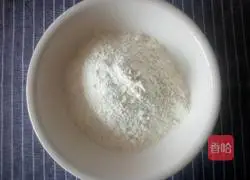
1. 250 grams of ordinary flour.
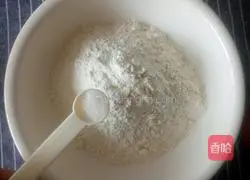
2.Add 3 grams of white sugar.
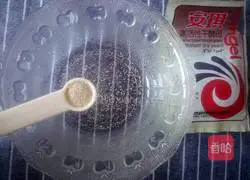
3.Pour in about 1.5 grams of yeast.
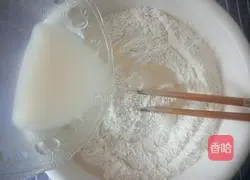
4. Dissolve the yeast in warm water and pour it into the flour.
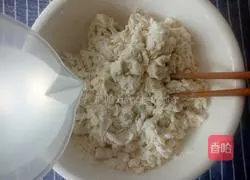
5.Add about 150 ml of warm water and stir the flour into a dry dough.
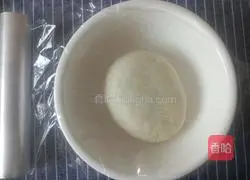
6.Knead into a smooth dough, cover with plastic wrap and place in a warm place to ferment.

7.The inside of the fermented dough forms a honeycomb shape.
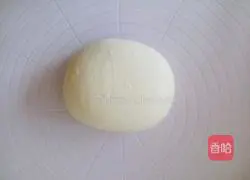
8.Sprinkle a little dry flour on the dough mat and knead again into a smooth dough, and discharge the air in the dough.
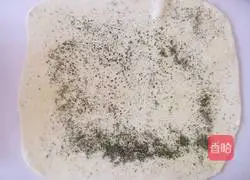
9. Roll the dough into a 0.5cm thick piece, brush it evenly with oil and sprinkle with cooked black Sesame powder.(Pick up the dough piece, fold it in half several times, and dip it evenly)

10. Fold both sides of the dough piece back.
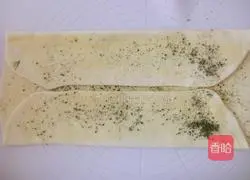
11.Brush oil and sprinkle with cooked sesame powder.
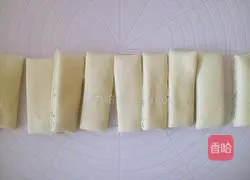
12. Then fold it in half and cut into strips about 2.5CM wide.
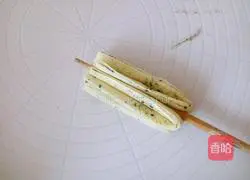
13. Take two long strips and stack them vertically, and press them from the middle with chopsticks.
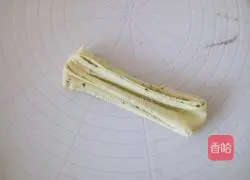
14.Pinch both ends and pull it long.
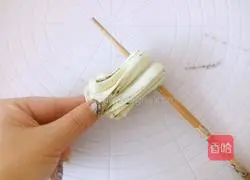
15.Put the chopsticks in the middle of the noodles and pinch both ends.

16.Rotate in a circle.
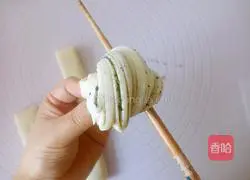
17.Finally, put the two ends together, pinch them firmly, and take out the chopsticks.
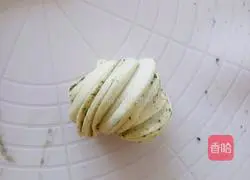
18.Molding.
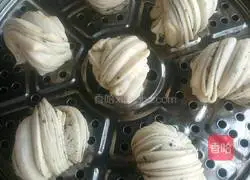
19. Apply a little oil to the cage and put the flower rolls on it, let it rise for about 15 minutes, boil cold water and steam for 15 minutes Turn off the heat and open the lid after 2-3 minutes.
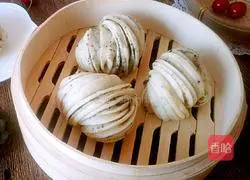
20.The delicious flower rolls are out of the pot.After steaming, put them in a fresh-keeping bag and refrigerate them for next time.It is convenient to heat it up or bake it in the oven.
Tips
1.The so-called warm water used for kneading the noodles is as long as it is not hot to your hands.
2.There is no specific description of how long it will take for the dough to ferment.Cover the kneaded dough with plastic wrap and place it in a warm place (such as a balcony), cover it with a towel or a small mat, and observe the dough as it ferments.Just 1.5 times the original volume is enough.
3.When adding water to the dough, the amount of water absorbed by the flour may be slightly different.Increase or decrease the amount according to the actual situation.
Copyright Statement:This article is a reprinted article, and the copyright belongs to the original author. Please retain the source when reprinting!