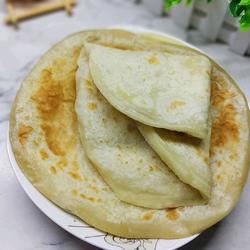
Ingredients
All-purpose flour ( 300g ) | Water ( 210g ) |
Salt ( 1g ) | Salt and pepper powder (pastry) ( 10g ) |
Peanut oil (pastry) ( 20g ) | Flour (pastry) ( 10g ) |
How to make salt and pepper pancakes
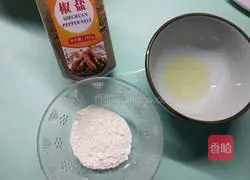
1.Pour 20 grams of peanut oil, 10 grams of flour, and 10 grams of salt and pepper into a bowl.
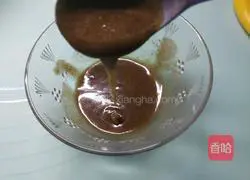
2.Make it into a yogurt-like pastry.

3.Weigh 300 grams of all-purpose flour in a bowl.
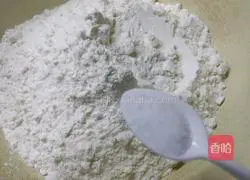
4.Add 1 gram of salt.
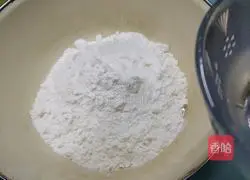
5.Add 210 grams of warm water.
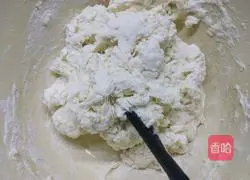
6.Use chopsticks to stir into flocculation.
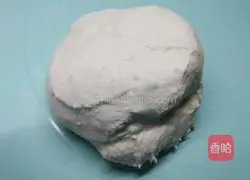
7. Knead on the kneading pad for 4 to 5 minutes.
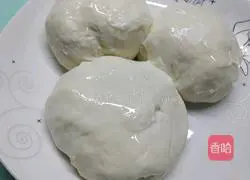
8. Divide the dough into three equal parts, spray oil on the surface, cover with plastic wrap and rest for 20 minutes.
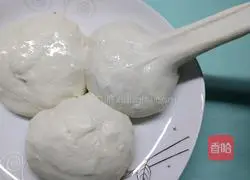
9. Good noodles have particularly good ductility.
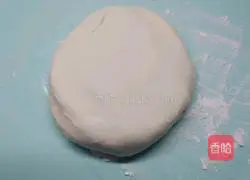
10.Take a piece of dough and apply dry flour on it.
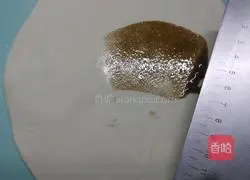
11. Roll out into a pancake and take a spoonful of pastry.
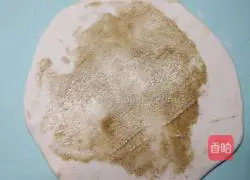
12.Use a spatula to smooth evenly.
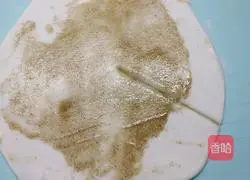
13.The cutting knife cuts a radius.
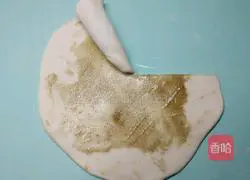
14. Roll up along the radius.
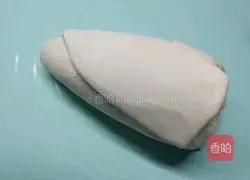
15. Rolled up like this.
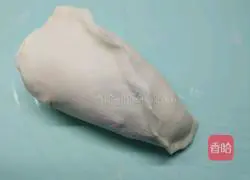
16.Pinch the edges tightly.
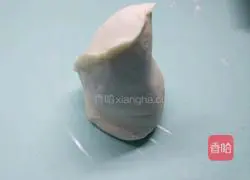
17.The small head is facing up and the big head is facing down.
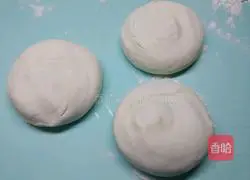
18.Do everything.
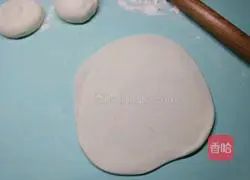
19. Roll out to the thickness of a coin.
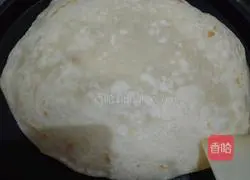
20. Preheat the electric baking pan in advance, spray a small amount of oil into the cake embryo, and bake until cake Open the lid when hot steam comes out from around the pan.
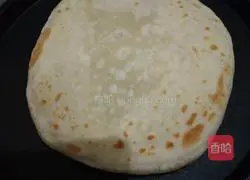
21.Open the lid and iron the other side without covering this side.
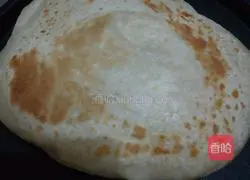
22.The whole process of one piece of cake does not take more than 3 minutes.
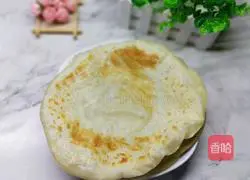
23. Fold the rest in turn.
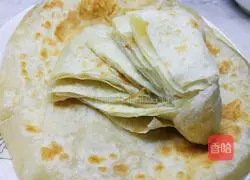
24. Cut into soft layers, and it is not hard to eat after cooling.
Tips
1.The noodles in this ratio are relatively moist, which is the secret to the softness of the pancakes.It needs to be kneaded on the kneading pad for 4 to 5 minutes.
2.Do not add dough during the kneading process, otherwise the dough will become hard when baked.
3.Knead the dough and let it rest for 20 minutes.The ductility is very good, and the baked cake crust is soft and chewy.
4.Adjust the pastry into a yogurt-like shape and not too dry.
Copyright Statement:This article is a reprinted article, and the copyright belongs to the original author. Please retain the source when reprinting!