Ingredients
Rice flour ( 1000g ) | Sweet potato flour ( 100g ) |
Water ( 4000ml ) | Dried squid ( 50g ) |
Dried shrimp ( 150g ) | Fresh shrimp ( 300g ) |
Taro ( 250g ) | Pork belly ( 300g ) |
How to make Shanwei layer cake
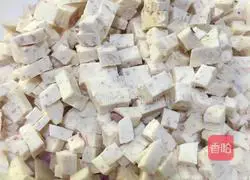
1.Wash and dice the taro
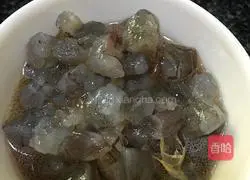
2. After buying the live shrimp, go to the refrigerator Freeze it, then peel and dice it, add a little pepper, salt and peanut oil to marinate it
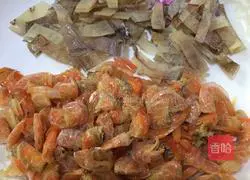
3.Cut the dried squid into strips and cut the dried shrimp into cubes
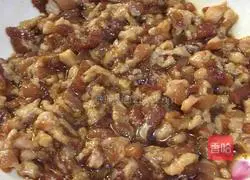
4. Cut the pork belly into cubes and add light soy sauce Marinate it
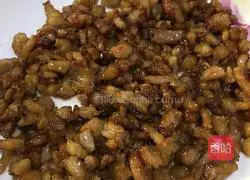
5.Fry the marinated pork belly until cooked
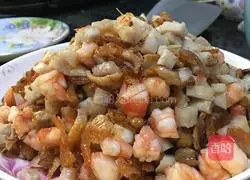
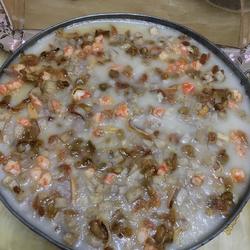
7. Fry the dried squid and dried shrimp until fragrant, then mix and mix well (this is the top layer of the layer cake cake, this is what I made at will, you can adjust it according to your family Change your preferences)

8. I forgot to take pictures during the process of mixing rice flour with rice flour.After mixing the sweet potato flour, add a small spoonful of salt and a little peanut oil.At the beginning, add the water little by little.Knead it into a dough and knead it vigorously for seven or eight minutes.Then add the remaining water to form a slurry.After kneading, it is made.The cake will taste better.
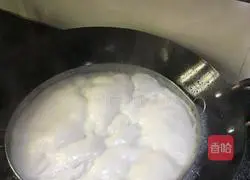
9. Brush the plate with a layer of oil, add a few spoons of flour and start steaming the first layer , steam for three and a half minutes over high heat.You will see bubbles after opening the lid, which means it is cooked.Just like steaming mille-feuille cake, put in the batter and steam again until the plate is almost full.Add the fabric on the top layer
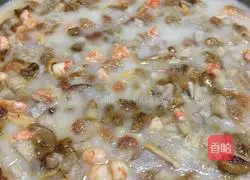
10.When it cools down a bit, you can cut it into pieces and serve it on the plate.The amount I made can make three large plates., my family is very enthusiastic, they eat this with salty tea for lunch and afternoon tea, 6 people eat three large plates
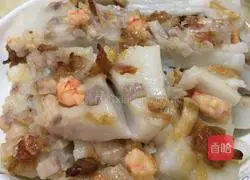
11.Cut it and put it on a plate and you can eat it.The homemade food is enough and you will be very satisfied after eating it
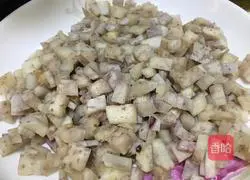
6. Fry the taro over low heat
Copyright Statement:This article is a reprinted article, and the copyright belongs to the original author. Please retain the source when reprinting!