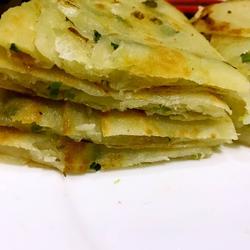
Ingredients
Flour ( appropriate amount ) | Vegetable oil (appropriate amount) |
Scallions ( Appropriate amount ) | Salt ( Appropriate amount ) |
How to make scallion oil layer cake
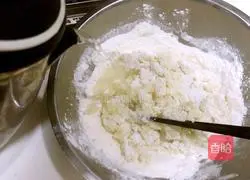
1. Mix the flour with boiling water.
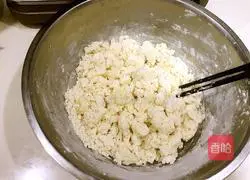
2. Stir until it becomes fluffy and there is no dry flour.
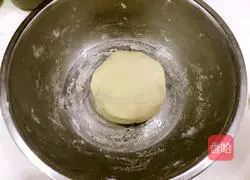
3. Knead into a smooth and delicate dough.
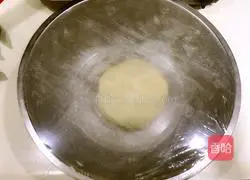
4.Cover with plastic wrap and cook for half an hour.(You can eat it for an hour if you are not in a hurry)
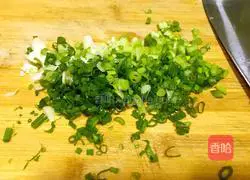
5.Cut the green onion into chopped green onions, You can also use scallions.I personally prefer scallions, which are less spicy.
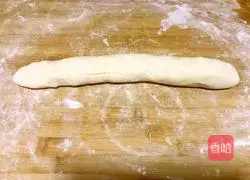
6.Knead the dough into a long strip.
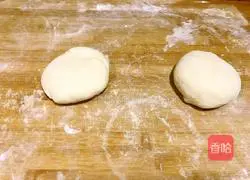
7. Divide the dough into two pieces.I have made two pieces of cake here.
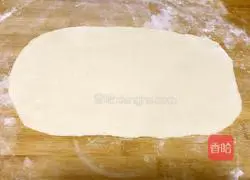
8.Use a rolling pin to roll into a rectangular shape.
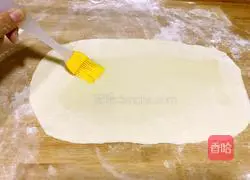
9. Use an oil brush to evenly coat the cake with a layer of oil.
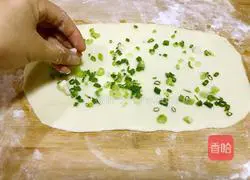
10.Sprinkle with salt and chopped green onion.
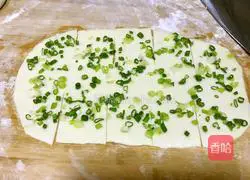
11. Use a knife to cut the two sides of the cake correspondingly, leaving a piece in the middle.Cut off.
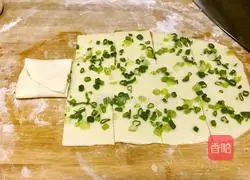
12. Fold both sides in half towards the middle.
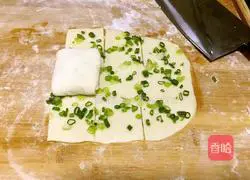
13.Turn forward again.
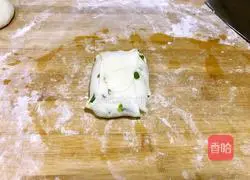
14. Repeat the above steps to fold the cake.

15. Press it into a cake shape with your hands, put oil in the pot, and use minimum heat Pancakes.
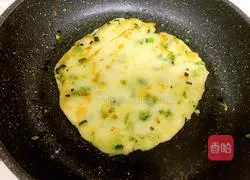
16. Fry until both sides are golden and ready to serve.
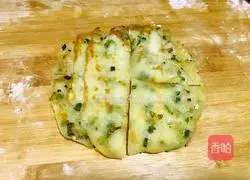
17.Use a knife to cut horizontally and vertically.

18.The delicious scallion oil layer pancake is ready to serve.Pair it with a bowl of clear porridge and a plate of pickles, and a simple Chinese breakfast is ready!
Tips
1.It is emphasized here that boiling water should be used for kneading noodles.This method is called scalding noodles.The noodles produced by boiling water and noodles will be softer!
2.If you are not in a hurry to eat, you can bake the noodles a little longer so that they are less likely to break when pressing the cake!
3.Do not use a rolling pin when rolling out the cake.Press it directly with your hands to make the dough more even.This way, the baked cake will not have lumps!
Copyright Statement:This article is a reprinted article, and the copyright belongs to the original author. Please retain the source when reprinting!