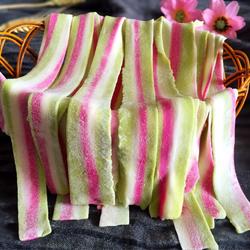
Ingredients
White dough ingredients: ( ) | Flour ( 100g ) |
Salt ( 2g ) | Water ( appropriate amount ) |
Red dough ingredients: ( ) | Flour ( 100g ) |
Red amaranth ( 1 handful ) | Clear water ( A little ) |
Green dough ingredients: ( ) | Flour ( 100g ) |
Green amaranth ( 1 handful ) | Clear water ( a little ) |
Noodle machine ( one ) |
How to make rainbow noodles

1. Put two kinds of Wash the vegetables, put a little water in the pot, cook the red amaranth to get the color, chop the green amaranth, add a little water, and directly use a food processor to puree it into juice

2. Mix the three colors of dough.Add a little salt when mixing the white dough.The noodles made in this way are more flexible, not easy to boil, and taste chewy.The other two types Just mix the flour directly with vegetable juice.Due to the hot weather, the dough I mixed is relatively hard.After mixing, wrap it in plastic wrap and leave it for about 20 minutes to rise

3. Place the risen dough on the panel and knead it thoroughly until smooth
-
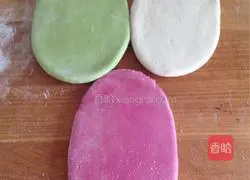
4.Use a rolling pin to roll into a rectangular or oval shape
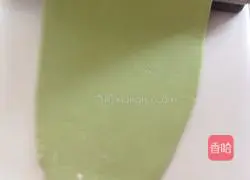
5. Set the noodle machine to the thickest setting and press into dough pieces
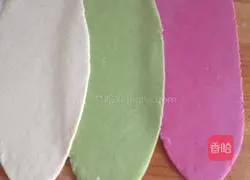
6.Make the three types in turn Colored noodles
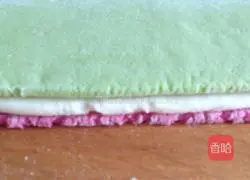
7.Stack the three colors of dough pieces together
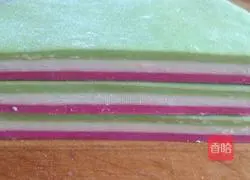
8.Use a knife to cut into three parts and stack them together

9.Cut it vertically with a knife
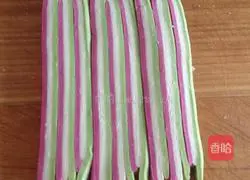
10. Place the cut side up to the width of the noodle machine, glue the unconnected parts in the middle with a little water, and sprinkle with dry flour
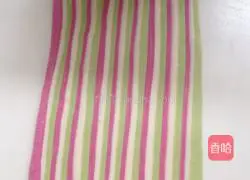
11. Adjust the noodle machine to a relatively thin state and press it into dough sheets
-
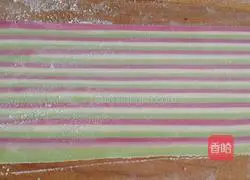
12.Place the pressed dough pieces on the panel
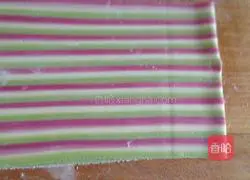
13. Sprinkle dry flour and fold it up
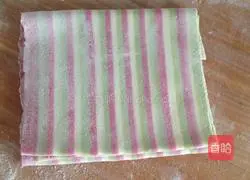
14.Then fold it in half
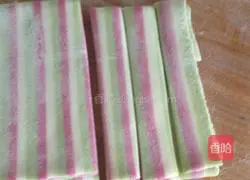
15.Use a knife to cut to the width you want
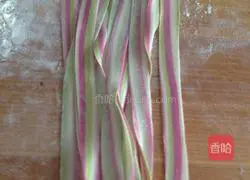
16.Shake out the noodles after cutting and sprinkle with dry flour to avoid sticking
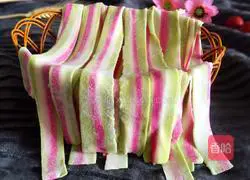
17.Here is a picture of the finished product
Tips
If you don’t have a noodle machine, you can use this method to roll it by hand.Fresh noodles can be made as you go.Don’t make too many noodles at one time.Since different flours absorb different amounts of water, you can adjust the amount of water according to the situation when kneading the dough.The noodles should be slightly softer in winter and harder in summer.These methods can be mastered flexibly.Just do it a few more times!
Copyright Statement:This article is a reprinted article, and the copyright belongs to the original author. Please retain the source when reprinting!